
 ★ 7.42010The Social Network
FouMovies: English and Hindi movies of 2010 to 2019, from The Social Network, Wonder and Paddington to Dangal, PK and Bajrangi Bhaijaan, and where to watch them
179 films in two languages, each with its cast, its director and a Watch now button.
Most watched
See all (179)★ 7.42010The Social Network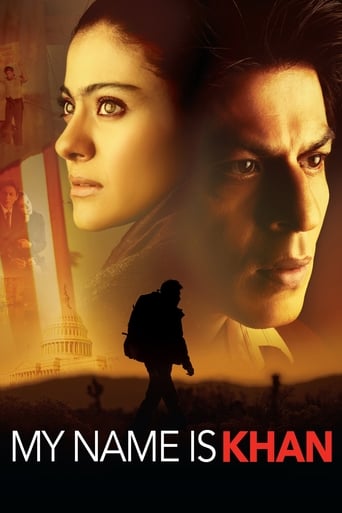 ★ 8.02010My Name Is Khan
 ★ 6.92019Jumanji: The Next Level
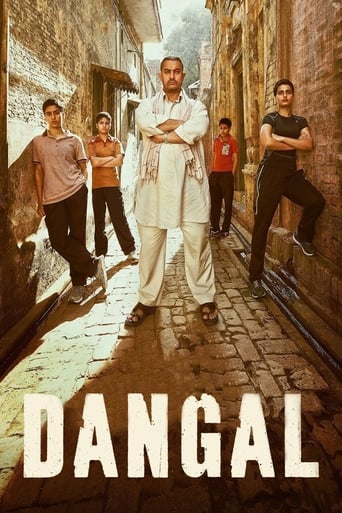 ★ 7.92016Dangal
 ★ 7.62018To All the Boys I've Loved Before
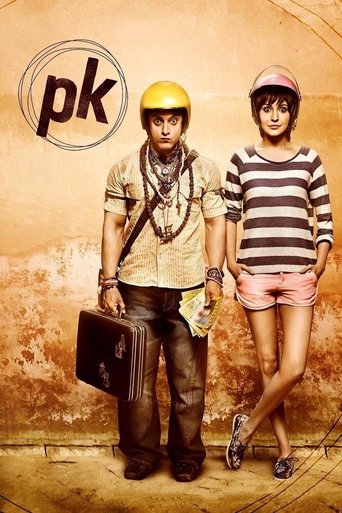 ★ 7.72014PK
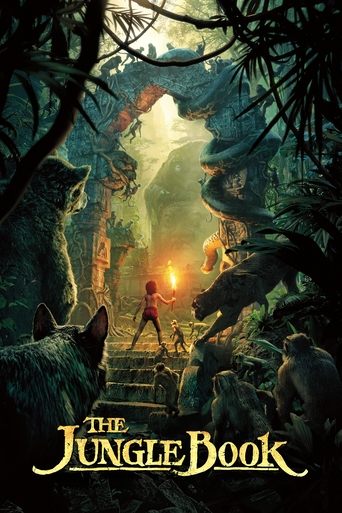 ★ 6.92016The Jungle Book
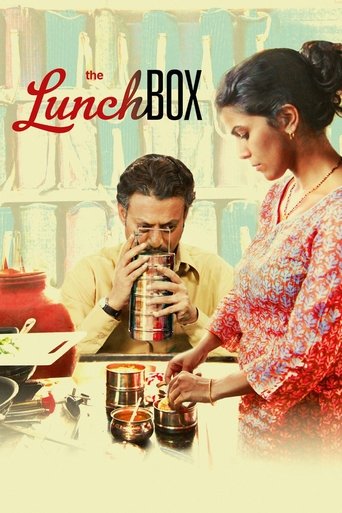 ★ 7.42013The Lunchbox
 ★ 7.22013The Secret Life of Walter Mitty
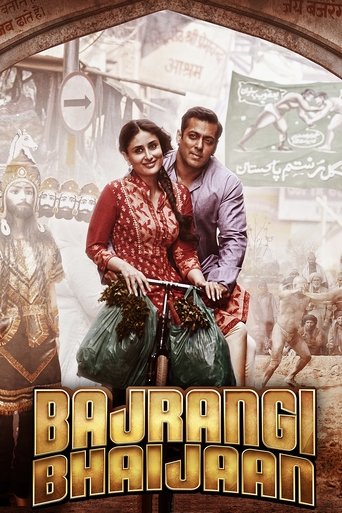 ★ 7.82015Bajrangi Bhaijaan
 ★ 8.12017Wonder
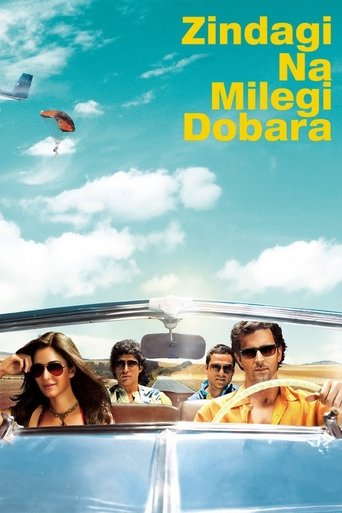 ★ 7.62011Zindagi Na Milegi Dobara
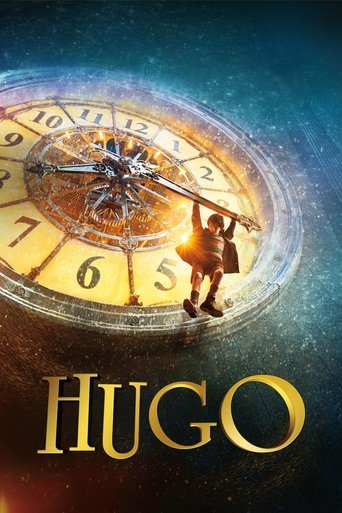 ★ 7.22011Hugo
 ★ 6.52013Chennai Express
English movies
See all (88)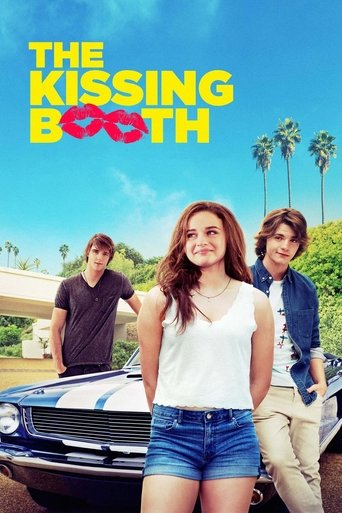 ★ 7.22018
 ★ 6.82015
 ★ 6.82016
 ★ 8.02016
 ★ 6.22014
 ★ 6.42010
 ★ 7.32011
 ★ 6.82015
 ★ 7.22016
 ★ 6.22012
Hindi movies
See all (91) ★ 7.62012
 ★ 7.32014
 ★ 7.32013
 ★ 7.22012
 ★ 7.32012
 ★ 7.02012
 ★ 7.52013
 ★ 6.82016
 ★ 7.02016
 ★ 7.52018
Top rated
See all (21) ★ 7.62017
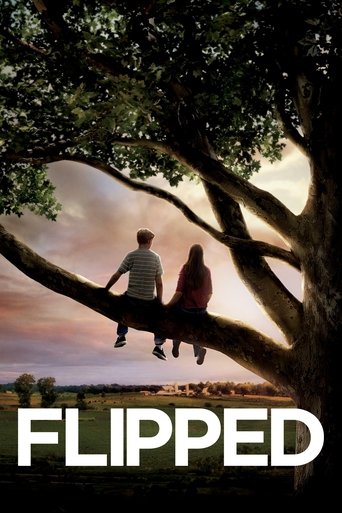 ★ 8.02010
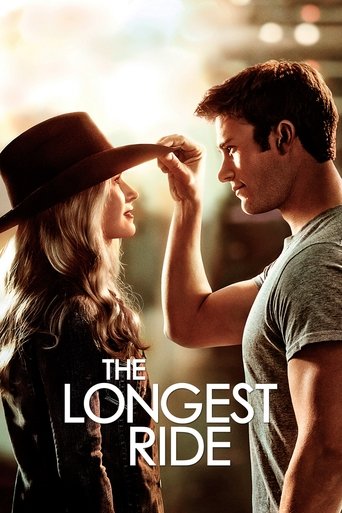 ★ 7.62015
 ★ 7.92016
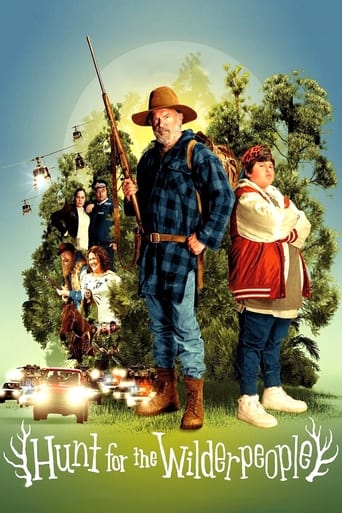 ★ 7.62016
True stories
See all (31) ★ 6.82015
 ★ 6.62015
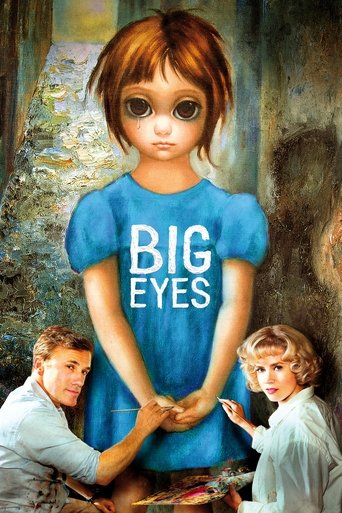 ★ 7.02014
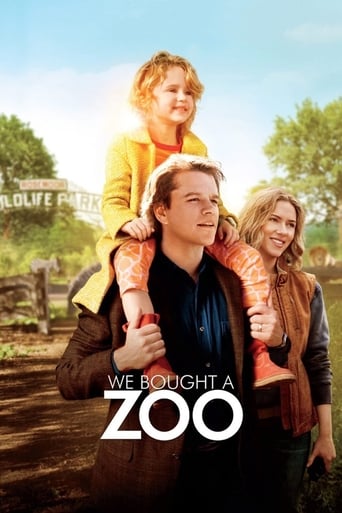 ★ 6.82011
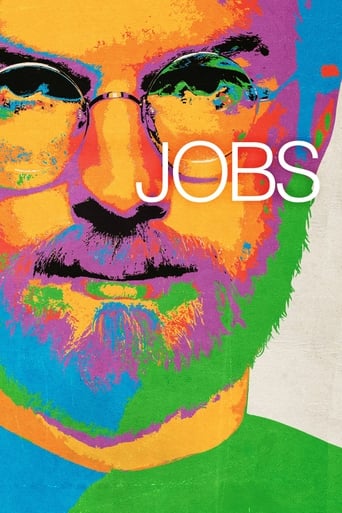 ★ 6.12013
Family
See all (40)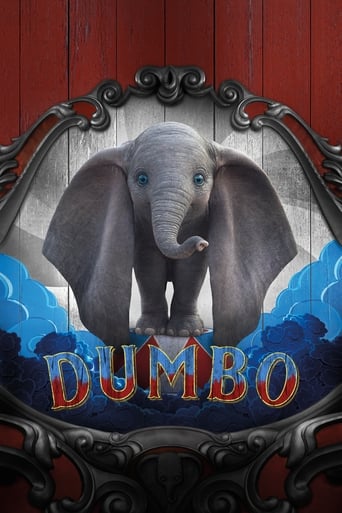 ★ 6.62019
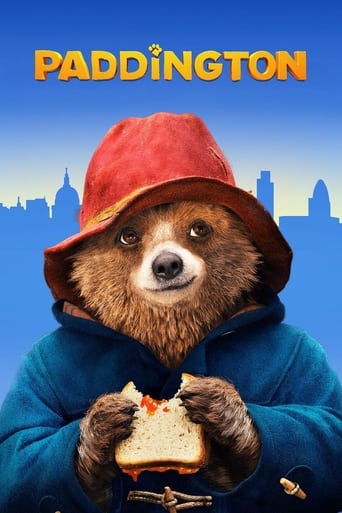 ★ 7.12014
 ★ 6.32016
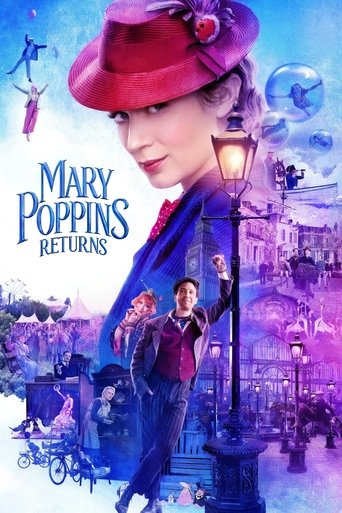 ★ 6.52018
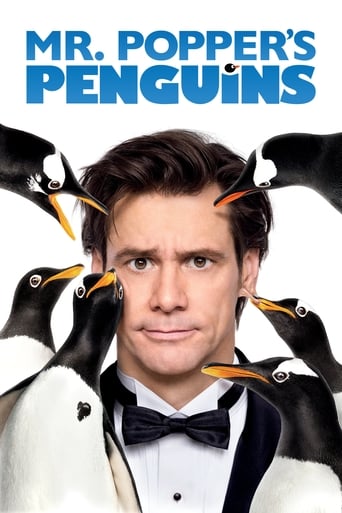 ★ 6.02011
The FouMovies guide to a decade in two languages
FouMovies: English and Hindi movies of 2010 to 2019, from The Social Network, Wonder and Paddington to Dangal, PK and Bajrangi Bhaijaan
Millions of households watch films in two languages. On Friday the family gathers for a Hindi film with songs, an interval and three generations on the sofa; on Saturday the choice is an English film that everyone at school or at work has been talking about. FouMovies is a guide made for those households. It holds 179 films released between 2010 and 2019, and it divides them almost down the middle: 88 are in English and 91 are in Hindi. Together they come from 156 directors and run to 365 hours. Every film has a page with its cast, its director, a short summary, its rating and a button that leads to the official services where it can be watched.
The decade it covers was a remarkable one on both sides. In Mumbai, a new generation of writers and directors turned away from formula and towards real towns, real families and real lives, and audiences rewarded them: Dangal, PK and Bajrangi Bhaijaan became three of the most successful Indian films ever released. In Hollywood and London the same years produced The Social Network, Wonder, Paddington and Lion, a film in which the two worlds meet. FouMovies sets these films side by side so that a viewer at home in one language can explore the other with confidence.
The selection was made by hand with a mixed household in mind. Comedies lead the count at 106, with 124 films that are dramas in whole or in part, seventy-seven love stories, forty family films and thirty-one true stories. Many films belong to several groups at once; a Hindi film in particular is often a comedy, a romance and a drama before the interval arrives.
This guide walks through the catalogue in the order of the side column: first how the site works, then the two language shelves, then the genres, and finally the people who made the films. Questions and answers close the page. Newcomers can start with the short page on how to watch with FouMovies.
How FouMovies works
The page is laid out in three parts. A slate-grey bar across the top holds the play-ring mark, the main links and a search field. A column down the left lists the shelves under three headings: Movies by language, Movies by genre and Movies by year. The wide area on the right carries the films. On a phone the column folds into a row of rounded buttons that slides sideways under the bar, so every shelf stays one tap away.
The home page opens with a sliding row called Most watched, where seven English films and seven Hindi films alternate, each chosen by the number of votes it has gathered worldwide. Below it sit five grids: English movies, Hindi movies, Top rated, True stories and Family. Each poster shows a gold star with the rating in its lower corner and a blue label with the year in its upper corner, and the title runs beneath in pale blue. The See all link at the right of each heading gives the size of the full shelf.
Open a film and its page sets out everything in one view: the poster, the title, the year, the running time, the genres, a summary of the story and the rating out of ten. The director and the leading cast follow, and each name is a link that gathers that person's other films on FouMovies. Beside the blue Watch now button is a menu of countries, with India at the top of the list. Pick yours, press the button, and JustWatch opens with the subscription, rental, purchase and free services that carry the film there. The services play the film, with their own subtitles and dubbed tracks; FouMovies is the guide that leads you to them.
The search field accepts titles, people and years. Type Aamir Khan and three films appear. Type 2016 and you receive the twenty-one films of that year in both languages. Type Irrfan and five films line up, from Mumbai to Kolkata. The page on finding titles describes every route, and the page called year by year splits the decade into its two halves, seventy-five films from 2010 to 2014 and 104 from 2015 to 2019.
My List is a personal shortlist. Press the list button on any film and it is saved in the browser you are using, on the device in your hand, ready the next time you visit. The list changes instantly as you add and remove films, and its page can save a copy as a small file to carry to another device. The My List page explains each step.
English movies: eighty-eight films
The English shelf holds eighty-eight films and 158 hours, an average of an hour and forty-eight minutes each. It was chosen to travel well: stories that are clear, warm and suitable for a room with several ages in it.
The most popular film on the whole site is The Social Network, David Fincher's account of how a Harvard student built a website in his dormitory and found himself, a few years later, in a lawyer's office facing his former best friend. Jesse Eisenberg plays the founder with a restless, rapid intelligence, and the screenplay by Aaron Sorkin moves at the speed of thought. It is a film about ambition and friendship that grows more interesting with every year that passes.
Wonder holds the highest rating on the English shelf at 8.1, a place it shares with two others. Auggie Pullman is ten years old, was born with a facial difference and has been taught at home all his life; the film follows his first year at school. Jacob Tremblay plays Auggie, Julia Roberts and Owen Wilson play his parents, and the story is told in turn from the point of view of his sister, his new friend and others around him. Its message, that kindness is a choice anyone can make, reaches children and adults alike.
Paddington may be the most purely delightful film in the catalogue. A small bear from Peru arrives at a London railway station with a label around his neck, and the Brown family take him home for one night that becomes a lifetime. Paul King directs with endless visual invention, Ben Whishaw gives the bear his gentle voice, and Hugh Bonneville is the cautious father who slowly remembers how to have fun.
The shelf is rich in modern versions of old stories. Jon Favreau's The Jungle Book surrounds a single young actor, Neel Sethi, with animals created entirely by computer, and the result is astonishing to look at. Kenneth Branagh's Cinderella plays the fairy tale straight, with Lily James and Cate Blanchett. Steven Spielberg brings Roald Dahl's giant to life in The BFG, Tim Burton sends an elephant flying in Dumbo, and Emily Blunt steps down from the clouds in Mary Poppins Returns. Martin Scorsese's Hugo, set in a Paris railway station in the 1930s, is both a children's adventure and a love letter to the first film-makers.
For teenagers and young adults there are To All the Boys I've Loved Before, in which a shy student's private letters are posted to the boys she wrote them about; Flipped, Rob Reiner's tender story of two neighbours told from both sides; Eighth Grade, The Kings of Summer and The Way Way Back. Smaller films reward the curious: Sing Street, about a Dublin schoolboy who starts a band in 1985 to impress a girl, and Hunt for the Wilderpeople, Taika Waititi's comedy about a city boy and his gruff foster uncle on the run in the New Zealand bush, both hold ratings above 7.5. The guide to the English shelf picks out more.
Hindi movies: ninety-one films
The Hindi shelf is the larger of the two, with ninety-one films and 207 hours. Hindi films run long, an average of two hours and seventeen minutes here, because they are built for a full evening out, with songs, comedy and drama in one sitting. The longest film on FouMovies, M.S. Dhoni: The Untold Story, lasts three hours and ten minutes.
Three giants stand at the front. Dangal, directed by Nitesh Tiwari, tells the true story of Mahavir Singh Phogat, a former wrestler in a Haryana village who trained his daughters Geeta and Babita to compete, against the customs of his neighbours. Aamir Khan gained and then lost a great deal of weight to play Phogat at two ages. The wrestling bouts are staged with rare clarity, and the film's argument, that a daughter can carry a family's hopes as proudly as a son, was heard around the world; it found an enormous audience in China as well as in India.
PK is a satire with the gentlest of heroes. A visitor from another world, played again by Aamir Khan, loses the device that would call his ship home and asks the people of Earth, quite innocently, why their different faiths give him different instructions. Rajkumar Hirani directs with humour and affection, and Anushka Sharma plays the television journalist who befriends the stranger.
Bajrangi Bhaijaan sends Pawan, a good-hearted devotee of Hanuman played by Salman Khan, on a journey from Delhi across the border to Pakistan to return a lost six-year-old girl who is unable to speak. Kabir Khan directs, Nawazuddin Siddiqui is wonderful as a small-town reporter who joins the quest, and the final scene in the mountains has moved audiences on both sides of the frontier to tears. With a rating of 7.8 it sits high on the Top rated shelf.
Behind the giants is a deep bench of quieter films, and these are the real discovery of the decade. The Lunchbox, the first feature by Ritesh Batra, begins with a mistake in Mumbai's famous lunch delivery system: a meal cooked by a young wife for her husband arrives on the desk of a widowed accountant nearing retirement. The two begin to exchange notes in the returning tins. Irrfan Khan and Nimrat Kaur share hardly a scene and still create one of the great screen relationships.
Piku puts Deepika Padukone, Amitabh Bachchan and Irrfan Khan in a car from Delhi to Kolkata, a daughter driving her fussy, argumentative, beloved father to his childhood home. Queen follows Rani, a sheltered young woman from Delhi whose wedding is called off and who decides to take the honeymoon to Paris and Amsterdam alone; Kangana Ranaut's performance turned the film into a landmark. English Vinglish gave the great Sridevi a return to the screen as a homemaker who secretly enrols in a language class in New York. Hindi Medium turns the question around, as a prosperous shopkeeper and his wife go to comic lengths to win their daughter a place at a fashionable English school.
Journeys are a favourite subject. In Zindagi Na Milegi Dobara, three friends drive across Spain before a wedding, each choosing an adventure for the others, and return changed. Karwaan sends three mismatched travellers through the south of India, and Tamasha begins on the island of Corsica. The guide to the Hindi shelf offers a first film for every mood, and newcomers to Hindi cinema will find that almost any title on it makes a friendly beginning.
True stories: thirty-one films
Both film industries spent the decade looking to real lives for their stories, and thirty-one films on FouMovies are drawn from fact. They make a natural shelf for watching across the language line, because a true story needs little translation.
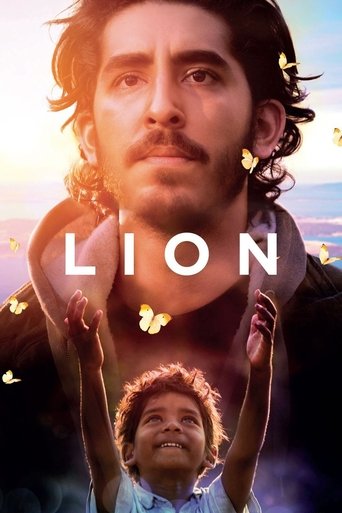
Lion is the bridge between the two halves of the catalogue. Saroo, five years old, falls asleep on an empty train in central India and wakes far from home in Calcutta, unable to name his village. He is adopted by a couple in Tasmania. Twenty-five years later, using satellite maps and his memories of a water tower, he searches for the station where he was lost. The first half of the film is largely in Hindi and Bengali, with the remarkable child actor Sunny Pawar; the second half has Dev Patel as the grown Saroo and Nicole Kidman as his adoptive mother. It holds a rating of 8.0.
Dev Patel appears again in The Man Who Knew Infinity as Srinivasa Ramanujan, the self-taught clerk from Madras whose notebooks of formulas astonished the mathematicians of Cambridge. It pairs well with Super 30, in which Hrithik Roshan plays Anand Kumar, the Patna teacher who each year coaches thirty gifted students from poor families for the entrance examination of the Indian Institutes of Technology.
Inventors and builders have a group of their own. Pad Man is based on the life of a man from Tamil Nadu who designed a low-cost machine for making sanitary pads and changed the health of women in thousands of villages; Akshay Kumar plays him with good humour. The Boy Who Harnessed the Wind, directed by Chiwetel Ejiofor, tells how a thirteen-year-old in Malawi built a windmill from scrap and a library book to pump water for his village. Manjhi: The Mountain Man is about a labourer in Bihar who spent twenty-two years cutting a road through a rocky ridge with a hammer and chisel. Mission Mangal celebrates the scientists who sent an Indian spacecraft to Mars on a famously modest budget. From America come The Founder, on the salesman who turned a California hamburger stand into a worldwide chain, Joy, Big Eyes and two portraits of the same computer pioneer, Steve Jobs and Jobs.
Togo shares the highest rating in the catalogue at 8.1. In the winter of 1925 a relay of sled dog teams carried medicine across Alaska to the town of Nome, and the longest and most dangerous leg was run by an ageing husky named Togo and his driver Leonhard Seppala, played by Willem Dafoe. The film gives the dog the credit history owed him. The true stories guide arranges all thirty-one by subject.
Family viewing: forty films
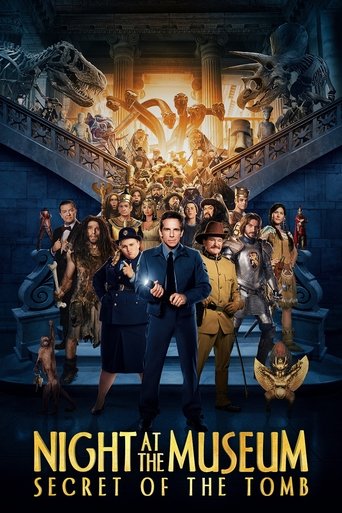
The Family shelf has forty films, twenty-six in English and fourteen in Hindi. The English titles are mostly the storybook adventures already described, joined by Christopher Robin, Pete's Dragon, Night at the Museum: Secret of the Tomb, The Muppets and the two Diary of a Wimpy Kid films.
The Hindi titles are a different and very rewarding kind of family film: small stories about children, told with great care. In Stanley Ka Dabba, a cheerful schoolboy arrives each day with an empty hand at lunchtime, and his classmates share their tiffin tins with him while a greedy teacher looks on. Chillar Party has a gang of children from a Mumbai housing colony campaigning to save a stray dog and the boy who looks after him. I Am Kalam follows a bright boy working at a roadside food stall in Rajasthan who renames himself after the scientist president of India. In Nil Battey Sannata, a mother who works as a household help joins her own daughter's class to prove that mathematics can be learned, and in Ferrari Ki Sawaari a devoted father borrows a very famous red car to pay for his son's cricket camp.
Parents choosing for younger viewers will find the summary on each film page a useful guide to tone, and the family viewing guide groups the shelf by age.
Romance: seventy-seven love stories
Love stories make up the third largest shelf, and here the two languages show their different habits most clearly. The Hindi romance is generous, colourful and musical, and it nearly always involves the families as much as the couple. The English romance of the 2010s is lighter and quicker, and it found a new home on streaming services towards the end of the decade.
The Hindi side begins with Yeh Jawaani Hai Deewani, in which a studious young doctor and a restless would-be travel presenter meet on a trek in the Himalayas and again, eight years later, at a friend's wedding in Udaipur. Ranbir Kapoor and Deepika Padukone lead, and the songs were heard at every celebration in India for years afterwards. Band Baaja Baaraat introduced Ranveer Singh as one half of a pair of Delhi students who start a wedding planning business and promise to keep feelings out of it. 2 States, from the novel by Chetan Bhagat, has a Punjabi boy and a Tamil girl fall in love at business school and then face the harder task of making their parents like each other.
Small towns give the genre fresh settings. Bareilly Ki Barfi, Dum Laga Ke Haisha, Tanu Weds Manu and its sequel, Luka Chuppi and Badrinath Ki Dulhania all take place far from the big cities, among joint families, scooters and neighbours who know everything. Dum Laga Ke Haisha, set in Haridwar in the 1990s, ends with a race in which husbands carry their wives over obstacles, and it introduced the excellent Bhumi Pednekar.
Yash Chopra, the director most associated with screen romance in India, made his last film in this decade: Jab Tak Hai Jaan, with Shah Rukh Khan, Katrina Kaif and Anushka Sharma. Gentler in scale are Photograph, about a street photographer at the Gateway of India, October, and Qarib Qarib Singlle, in which two people in their middle years meet through a dating website and set off across the country together.
The English side offers Crazy Rich Asians, a glittering comedy in which a New York professor travels to Singapore and discovers that her boyfriend's family is among the wealthiest in Asia; One Day, which visits the same two friends on the same date across twenty years; The Longest Ride and The Best of Me, both from novels by Nicholas Sparks; and a group of bright young comedies that includes The Kissing Booth, The Perfect Date and Tall Girl. The romance guide lists all seventy-seven by language and by mood.
Comedy: one hundred and six films
Comedy is the widest shelf of all. On the Hindi side the decade's best comedies took everyday embarrassments and treated them with warmth. In Badhaai Ho, a grown son learns that his middle-aged parents are expecting a baby, and the whole neighbourhood has an opinion. Bala is about a young man in Kanpur coming to terms with his thinning hair. Tumhari Sulu gives Vidya Balan one of her happiest roles as a housewife who wins a contest and becomes the host of a late-night radio programme. Sui Dhaaga - Made in India follows a tailor and his wife as they start a business of their own with one sewing machine.
Satire has a strong tradition too. OMG: Oh My God! imagines a shopkeeper whose insurance claim is refused as an act of God and who therefore takes the matter to court, with Paresh Rawal in splendid form. Jolly LLB sets an eager small-time lawyer against a celebrated advocate, and Newton, India's submission to the Academy Awards for its year, follows a scrupulous clerk determined to run a fair polling station in a remote forest. Fukrey and Happy Bhag Jayegi are simply out for fun.
The English comedies range from the family slapstick of Daddy's Home and Mr. Popper's Penguins to the workplace sparkle of Morning Glory, with Rachel McAdams as a breakfast television producer and Harrison Ford as her reluctant presenter. The Secret Life of Walter Mitty, directed by and starring Ben Stiller, sends a daydreaming picture editor from his desk to Greenland, Iceland and the Himalayas, and The Upside pairs Kevin Hart with Bryan Cranston. The comedy guide sorts the shelf into small-town stories, satires and family favourites.
Sport: seventeen films
India's film-makers discovered the sports biography in this decade and made it their own. Of the seventeen films on the Sport shelf, eleven are in Hindi, and most are true.
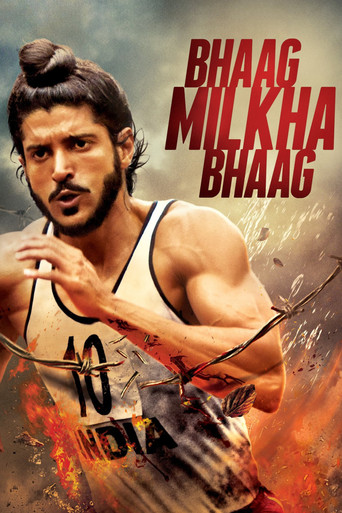
Bhaag Milkha Bhaag set the pattern in 2013. Farhan Akhtar trained for more than a year to play Milkha Singh, the sprinter known as the Flying Sikh, who rose from a refugee camp to the final of the 400 metres at the Rome Olympics. Mary Kom followed with Priyanka Chopra as the boxer from Manipur who became a world champion and returned to the ring after the birth of her twins. Then came Dangal and Sultan for wrestling, Soorma and Gold for hockey, the second recalling the Indian team's victory at the London Olympics of 1948, and Saand Ki Aankh, about two grandmothers from a village in Uttar Pradesh who took up pistol shooting in their sixties and won medal after medal.
Cricket has two films. M.S. Dhoni: The Untold Story traces the future captain from a job checking tickets at a railway station to the winning stroke of the 2011 World Cup final, with Sushant Singh Rajput uncannily close to the man himself. Sachin: A Billion Dreams is a documentary in which Sachin Tendulkar looks back on twenty-four years at the crease, with home videos and the memories of his family.
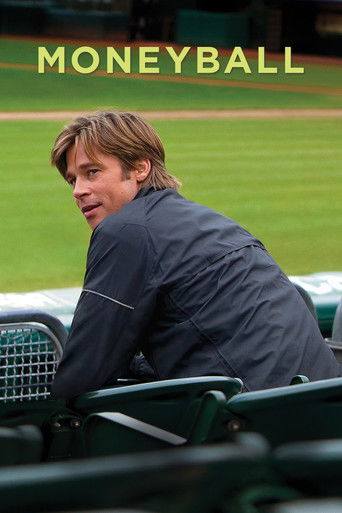
The English entries include Moneyball, with Brad Pitt as the baseball manager who rebuilt a team by trusting statistics over instinct; Eddie the Eagle, the cheerful story of Britain's lone ski jumper at the Calgary Winter Olympics; and The Art of Racing in the Rain, narrated by the loyal dog of a racing driver. The sport guide groups them by game.
Music and dance: seventeen films
Nearly every Hindi film has songs, so this shelf is kept for films in which music or dance is the subject itself. There are seventeen.
Secret Superstar is the story of Insia, a fifteen-year-old in Vadodara with a guitar, a gift for melody and a father who disapproves. She records her songs with her face covered and posts them online, where they find an audience of millions. Zaira Wasim is superb, and Aamir Khan enjoys himself as a vain, kind-hearted music director. Gully Boy, directed by Zoya Akhtar, follows Murad, a student from the crowded lanes of Dharavi in Mumbai, into the city's young hip-hop scene; Ranveer Singh performed his own verses. Rockstar has a celebrated score by A. R. Rahman.
Dance is represented by ABCD and ABCD 2, built around real champions of Indian dance contests under the choreographer Prabhu Deva, and from America by Step Up 3D, Step Up All In and Footloose. The musicals are Mary Poppins Returns, Mamma Mia! Here We Go Again, The Muppets, the two Pitch Perfect 2 and Pitch Perfect 3 comedies of college singing groups, and Jagga Jasoos, a Hindi detective adventure in which the shy hero speaks most easily in song. The music and dance guide covers the full shelf.
Drama: films that stay with you
The Drama label appears on 124 films, more than any other, because so many comedies and romances carry a serious thread. A smaller group are dramas first and last, and they include some of the finest work of the decade in either language.
My Name Is Khan is the grandest. Rizwan Khan, a man with Asperger syndrome who grew up in Mumbai, builds a happy life in San Francisco until events in the wider world break it apart, and he sets out across America with a single sentence to deliver to the president. Karan Johar directs on an epic scale, and Shah Rukh Khan and Kajol, the most beloved screen pair of their generation, are reunited. Barfi! works in the opposite register: almost a silent film, set in Darjeeling and Kolkata in the 1970s, about a deaf young man whose mischief hides a faithful heart, and the two women whose lives he changes. Priyanka Chopra is extraordinary as Jhilmil.
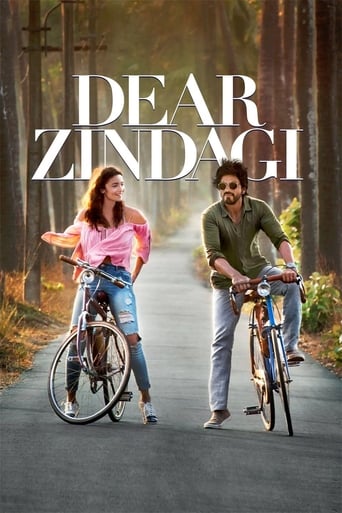
Udaan and Chhichhore look at the pressure placed on the young. The first is an intimate story of a boy and his father; the second moves between a hospital ward and a college hostel twenty-five years earlier, as a father tells his son about the friends who were once cheerfully known as the losers of their year. Dear Zindagi treats the subject of counselling with rare openness, as a talented young camerawoman finds her way through sleepless nights with the help of an unconventional therapist. The Sky Is Pink tells the true story of a family across twenty-five years, narrated with humour by its youngest member.
Several of the gentlest dramas concern age. In Mukti Bhawan, an elderly father announces that his time is near and asks his overworked son to take him to a guest house on the river at Varanasi; what follows is funny, patient and deeply humane. Ankhon Dekhi is about a man in Old Delhi who resolves to believe only what he has seen with his own eyes. Do Dooni Chaar reunites the real-life couple Rishi Kapoor and Neetu Singh as a schoolteacher and his wife saving for their first car. Sir quietly observes the growing regard between a wealthy young man in Mumbai and the widow from a village who keeps his flat and dreams of becoming a fashion designer.
English drama is represented by The Peanut Butter Falcon, in which a young man with Down syndrome leaves his care home to chase a dream of wrestling and finds an unlikely friend on the rivers of North Carolina; by Water for Elephants, set in a travelling circus of the 1930s; by Florence Foster Jenkins, with Meryl Streep as the New York heiress who loved to sing and hired Carnegie Hall to do it; and by Downton Abbey, which carries the household of the television series to the cinema for a royal visit.
Adventure and fantasy: thirty-seven films
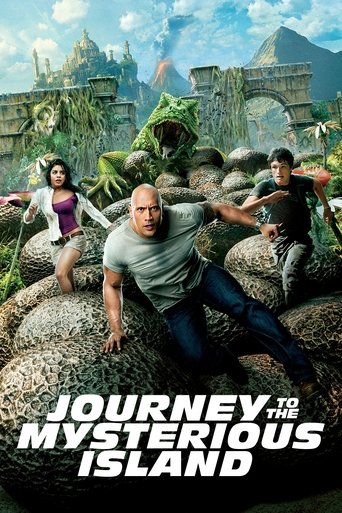
Thirty-seven films carry an element of adventure, fantasy or science fiction. The English shelf supplies most of them. Jumanji: The Next Level drops its players into a video game for a second time, now with two grandfathers along for the ride. Journey 2: The Mysterious Island follows a coded radio signal to an island of tiny elephants and giant bees. Star Trek Beyond strands the crew of the Enterprise on an unknown world, Dora and the Lost City of Gold takes a fearless teenage explorer from the rainforest to an American high school and back, and The Christmas Chronicles puts two children in the back of a very fast sleigh, with Kurt Russell at the reins. The Nutcracker and the Four Realms and A Wrinkle in Time are lavish fantasies for younger viewers.
Hindi cinema answers with Mohenjo Daro, an adventure set in the ancient city of the Indus valley, with Hrithik Roshan as a farmer who arrives to trade and stays to challenge its rulers. Bhoothnath Returns has Amitabh Bachchan as a friendly ghost who decides to stand in an election, and Phillauri has a bridegroom who must first marry a tree and so meets the spirit who lives in it. Main Krishna Hoon mixes live action with animation for the youngest members of the audience.
The decade in two halves
The side column divides the catalogue by year as well as by language, and the two halves have distinct characters. The first, 2010 to 2014, holds seventy-five films. It opens with My Name Is Khan, The Social Network, Udaan, Band Baaja Baaraat and Flipped, all from 2010, a year with nineteen films here. These were the years in which Hindi cinema found its new voice, with Zindagi Na Milegi Dobara and Rockstar in 2011, Barfi! and English Vinglish in 2012, The Lunchbox and Bhaag Milkha Bhaag in 2013, and Queen and PK in 2014.
The second half, 2015 to 2019, holds 104 films. Confidence is the word for it. Bajrangi Bhaijaan and Piku arrived in 2015, Dangal, Lion and Sing Street in 2016, and Wonder, Hindi Medium and Secret Superstar in 2017. The fullest year of all is 2018, with twenty-four films that include Crazy Rich Asians, Hichki, Pad Man and Badhaai Ho. The catalogue closes in 2019 with twenty-three films, among them Gully Boy, Togo, Chhichhore and The Boy Who Harnessed the Wind.
New to Hindi cinema, or new to English
Some visitors know one shelf well and the other hardly at all, and a short path helps. A viewer new to Hindi films might begin with The Lunchbox, which is brief, quiet and close in spirit to European cinema. Queen makes a good second step, since much of it is set abroad and it wears its songs lightly. Then comes Dangal, with the full sweep of a popular Indian film, and after it Zindagi Na Milegi Dobara for the pleasure of the music and the scenery. By the fifth film, perhaps Bajrangi Bhaijaan, the interval and the songs will feel like old friends.
A viewer coming the other way, at home with Hindi films and curious about English ones, might start where the cultures touch: Lion, The Hundred-Foot Journey and The Man Who Knew Infinity all have Indian characters at their centre. Wonder and Paddington follow naturally for a family, and The Social Network and Moneyball for those who enjoy sharp dialogue and true stories of business and sport. Whichever direction you travel, the side column keeps both shelves in view on every page.
Dogs, elephants and penguins
Animal lovers are well served, and a search for the word dog is a good place to begin. A Dog's Purpose follows one devoted soul through several lives and several owners, each time learning a little more about why he is here. The Art of Racing in the Rain lets a golden retriever named Enzo narrate the life of the racing driver he adores, and Togo honours the real husky who led his team across the frozen sound. All three sit on the Top rated shelf. On the Hindi side, the stray called Bhidu is the cause the children rally around in Chillar Party, and a family dog named Pluto narrates the comedy of the wealthy Mehra household in Dil Dhadakne Do.
Larger and stranger creatures appear too. Jim Carrey shares a Manhattan apartment with six birds from the Antarctic in Mr. Popper's Penguins. A circus elephant named Rosie is the heart of Water for Elephants, a baby elephant with enormous ears learns to fly in Dumbo, and a whole menagerie comes with the house in We Bought a Zoo. In Pete's Dragon, a boy raised in the forests of the Pacific Northwest has a companion who is green, furry, the size of a barn and able to vanish at will. Each of these films suits a family evening, and each can be saved to My List in a single press.
Books on screen
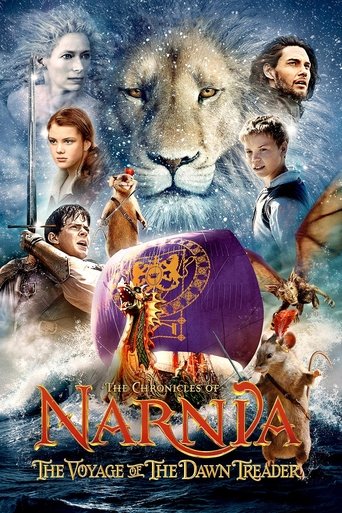
A good share of the catalogue began on the page, and reading the book before or after the film doubles the pleasure. Children's classics account for Paddington, The Jungle Book, The BFG, Gulliver's Travels, A Wrinkle in Time and The Chronicles of Narnia: The Voyage of the Dawn Treader, the third voyage to C. S. Lewis's kingdom. Wonder comes from the novel by R. J. Palacio that is now read in schools around the world.
Memoirs supply Lion, Eat Pray Love, with Julia Roberts travelling through Italy, India and Bali, and We Bought a Zoo, in which a widowed father played by Matt Damon moves his children to a run-down wildlife park. The Hundred-Foot Journey, from the novel by Richard Morais, deserves special mention on a two-language site: an Indian family opens a restaurant in a French village directly across the road from a celebrated establishment run by Helen Mirren, and the late Om Puri is magnificent as the stubborn father. Puri also appears on the Hindi shelf in Tubelight. The books on screen guide lists the films with their sources.
Stars and directors
Ten years is long enough to watch careers rise, and following one performer through the catalogue is a pleasant way to explore it. On the Hindi side, Anushka Sharma appears most often, in films as different as PK, Sultan, Band Baaja Baaraat and the ghostly comedy Phillauri. Shah Rukh Khan has six films, from My Name Is Khan, which holds a rating of 8.0, to his quiet turn as a therapist in Goa in Dear Zindagi. Akshay Kumar also has six, most of them tied to a social cause or a national achievement, and Alia Bhatt has six that chart her rise from campus romances to Gully Boy.
Irrfan Khan, who died in 2020, has five films here, and each shows why he was so admired: The Lunchbox, Piku, Hindi Medium, Karwaan and Qarib Qarib Singlle. Ranbir Kapoor also has five, including his wordless, Chaplin-like performance in Barfi!, set in the hill town of Darjeeling. Aamir Khan appears in only three, and all three are among the most watched films on the site. Younger names to follow include Ayushmann Khurrana, Rajkummar Rao and Bhumi Pednekar, the faces of the small-town comedy.
On the English side Dwayne Johnson, Julia Roberts, Amy Adams and Reese Witherspoon each have three films. The guide to the stars gives a starting point for each of these performers.
Among the 156 directors, Nitesh Tiwari leads with four films: Dangal, the college comedy Chhichhore, Chillar Party and Bhoothnath Returns. Zoya Akhtar, Imtiaz Ali and Aanand L. Rai have three apiece, as does the Swedish director Lasse Hallström. Akhtar's three, a road trip, a family cruise in Dil Dhadakne Do and a hip-hop drama, show a film-maker equally at ease with wealth and with struggle. The directors guide has more.
The top rated shelf
Twenty-one films hold a rating of 7.5 or higher from at least a hundred voters, and the two languages share the shelf almost equally: eleven English films and ten Hindi. The Art of Racing in the Rain, Togo and Wonder lead at 8.1, followed by Lion, Flipped and My Name Is Khan at 8.0. Dangal, The Boy Who Harnessed the Wind and Sing Street stand at 7.9, Bajrangi Bhaijaan at 7.8, and PK and Chhichhore at 7.7.
The rest of the shelf, at 7.6 and 7.5, reads like a list of recommendations from a trusted friend: Hunt for the Wilderpeople, A Dog's Purpose, The Longest Ride, Zindagi Na Milegi Dobara, Barfi!, Hichki, in which Rani Mukerji plays a teacher with Tourette syndrome who takes on a difficult class, To All the Boys I've Loved Before, Bhaag Milkha Bhaag and Pad Man.
Just below the line wait dozens more with ratings above 7.0, among them The Lunchbox, Hindi Medium, Queen, Udaan, Moneyball, Christopher Robin and The Social Network. A rating is an average of many tastes, so treat the gold star as a hint and let the summary decide.
Planning a film night
The two shelves suit different evenings. An English film averages under two hours and fits a weeknight. A Hindi film averages well over two and is best kept for the weekend, with a pause for tea where the interval falls. The shortest film in the catalogue, Starstruck, runs for eighty minutes.
Pairs across the language line make an enjoyable weekend. Watch The Man Who Knew Infinity on Saturday and Super 30 on Sunday for two portraits of Indian mathematical genius. Put Sing Street beside Secret Superstar for two teenagers who find themselves through songs. Follow Eddie the Eagle with Bhaag Milkha Bhaag, or The Hundred-Foot Journey with Chef, a Hindi film about a father, a son and a food truck travelling from Kerala to Delhi. For a wedding season mood, Crazy Rich Asians and Band Baaja Baaraat belong together.
Subtitles open every one of these films to every viewer, and most services offer them in several languages. Check the options on the service's own page after pressing Watch now.
A film page in detail
Take Udaan as an example of what a page provides. The poster shows a boy in mid-leap. Beside it stand the year 2010, a running time of 138 minutes, the label Drama and a rating of 7.3. The summary explains that Rohan, sent home from boarding school after eight years away, returns to the steel town of Jamshedpur, to a stern father and a small half-brother he has only just learned about, and holds on to his wish to become a writer. Vikramaditya Motwane is named as director, and pressing his name shows whether other films of his are on the site. Ronit Roy and Rajat Barmecha lead the cast. Set the country menu to where you live, press the blue button, and the services offering the film there appear with their prices; a second press on the list button keeps the film for later.
Questions and answers
Questions
What is FouMovies?
FouMovies is a guide to 179 films released between 2010 and 2019, 88 in English and 91 in Hindi. Each film has a page with its cast, director, summary and rating, and a Watch now button that opens the official services carrying it in your country.
How do I watch a film?
Open the film page, choose your country in the menu beside the blue button and press Watch now. JustWatch then lists the subscription, rental, purchase and free services that offer the film where you live.
Which Hindi films are rated highest?
My Name Is Khan leads at 8.0, followed by Dangal at 7.9, Bajrangi Bhaijaan at 7.8, and PK and Chhichhore at 7.7.
Which English films are rated highest?
The Art of Racing in the Rain, Togo and Wonder share the top at 8.1, followed by Lion and Flipped at 8.0.
Are the films suitable for families?
The catalogue was chosen by hand with household viewing in mind, and forty films sit on the Family shelf. Each page carries a summary so that parents can judge the tone of a film for themselves.
Can I watch Hindi films with English subtitles?
Most official services offer subtitles in several languages. After pressing Watch now, look at the language options on the page of the service you choose.
Which years does FouMovies cover?
It covers ten years. Seventy-five films date from 2010 to 2014 and 104 from 2015 to 2019, and 2018 is the fullest single year with twenty-four.
What is My List?
My List gathers the English and Hindi films you plan to see in one place. The browser on your own device holds it, each press of the list button changes it at once, and its page offers a file copy for moving to another phone or computer.
How do I find films by one actor?
Type the name in the search field, or press the name on any film page. Shah Rukh Khan, Akshay Kumar and Alia Bhatt each have six films in the catalogue.
Where does the information come from?
Posters, ratings, casts and production details come from TMDB. The guide on this page and the fifteen help pages are written by the FouMovies editorial team.
